
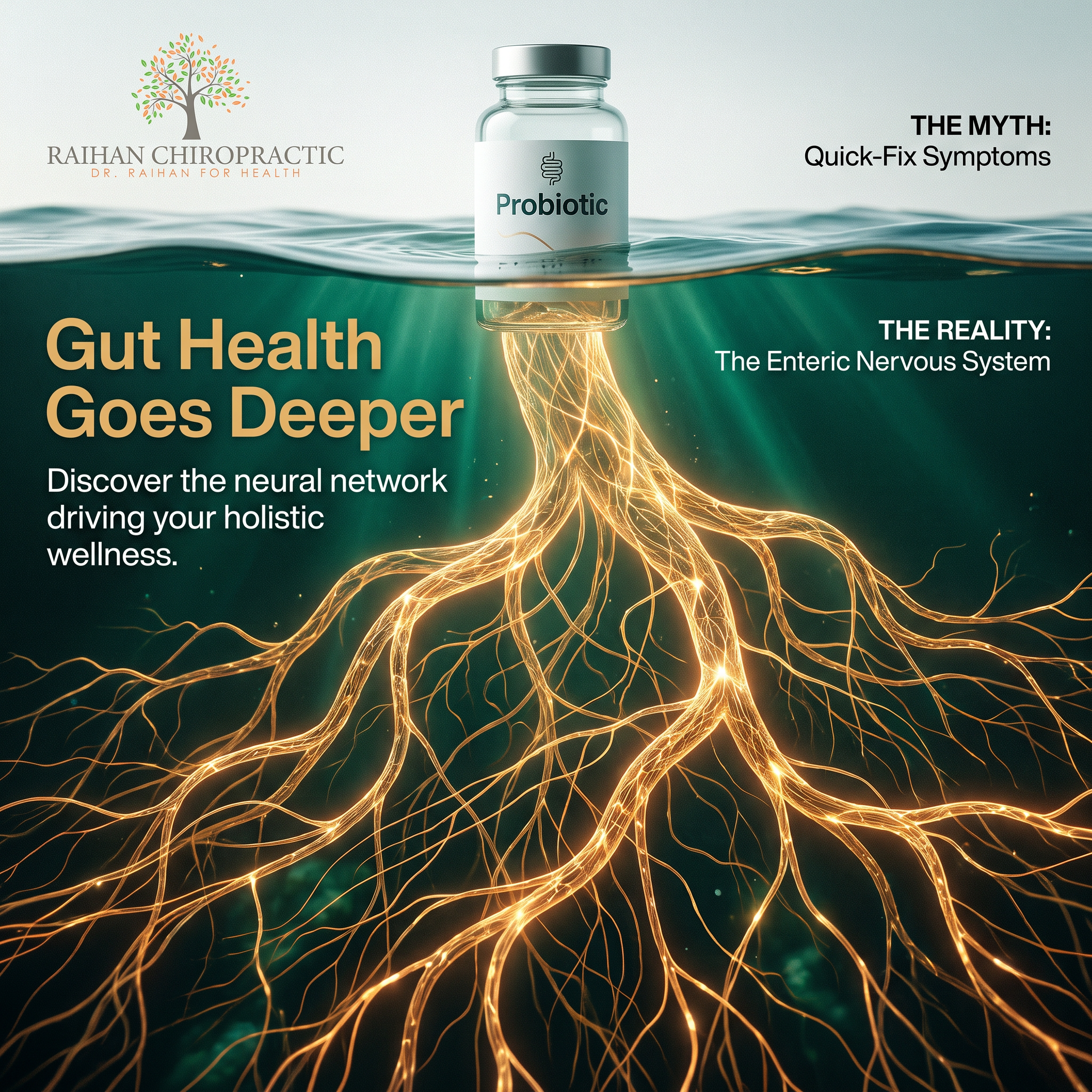
The Gut Health
The Gut Health Clinical Guide
By Raihan Chiropractic | Dr. Raihan For Health
Disclaimer: This guide is intended for educational and informational purposes only. It does not constitute medical advice, diagnosis, or treatment. The information presented here is not a substitute for professional medical advice. Always consult your physician or qualified healthcare provider before making any changes to your health regimen, starting new supplements, or addressing any medical concerns.
What Does the Gut Do?
Your gastrointestinal tract does much more than digest food. It breaks down food, absorbs nutrients and water, moves waste through the body, and contains an important part of the immune system.
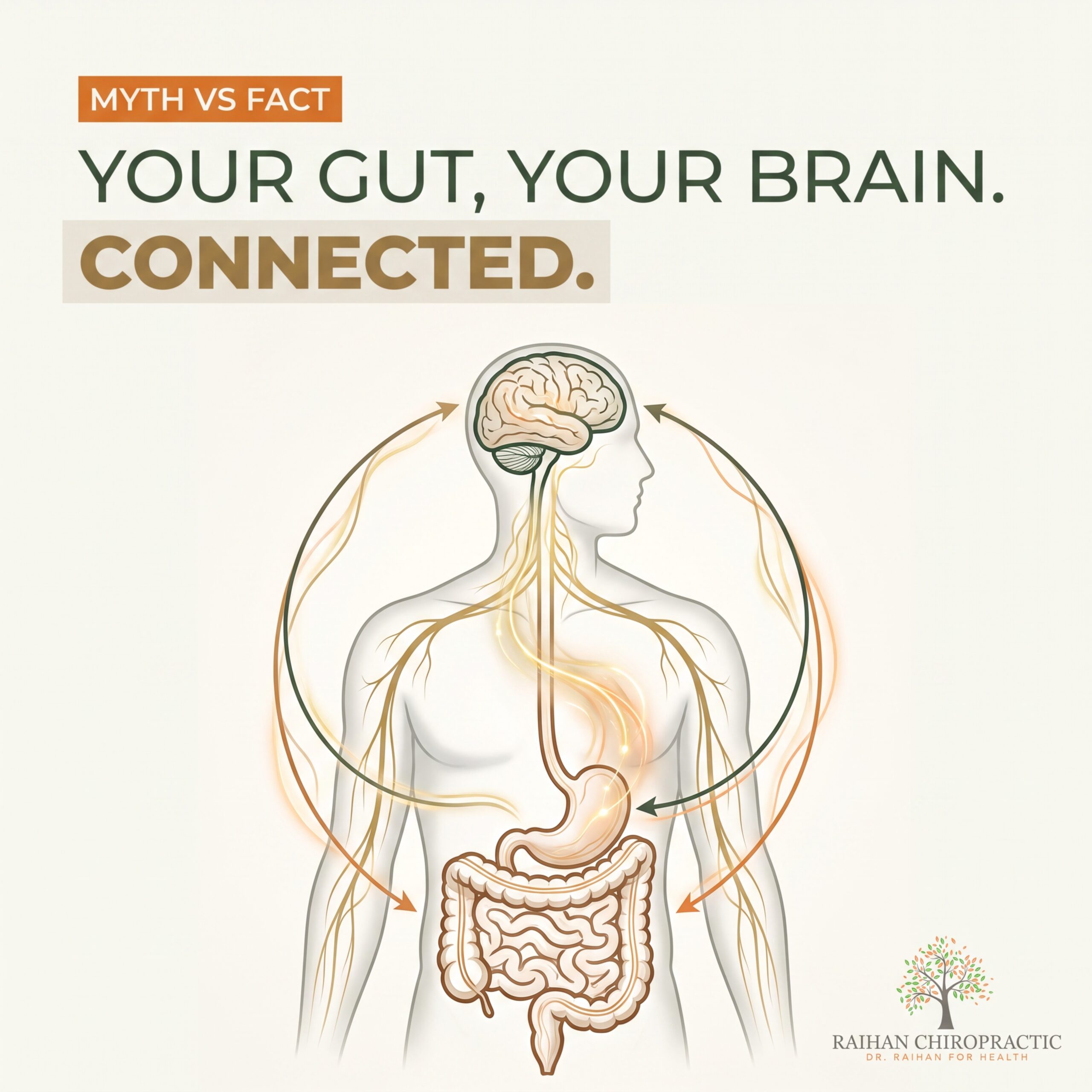
The gut is also connected to the brain through nerves, hormones, immune signaling, and metabolism. Researchers call this complex communication network the gut–brain axis.
This connection is real—but it does not mean every symptom is caused by the gut. Fatigue, anxiety, brain fog, joint pain, skin changes, sleep problems, and weight changes can each have many possible causes and may need medical evaluation.
The Gut Microbiome
The gut microbiome refers to the many microorganisms that live in the digestive tract. Diet, illness, medications, travel, age, stress, and other factors can influence the microbiome.
- Research: Scientists are studying how the microbiome relates to digestion, immunity, metabolism, and brain function. This is an active area of research, but microbiome findings are not yet a stand-alone diagnosis or a universal guide to treatment.
- Nutrition: A balanced dietary pattern—including vegetables, fruits, beans, whole grains, nuts, seeds, and other fiber-containing foods—can support digestive health for many people. The best choices depend on individual tolerance, medical conditions, culture, and dietary needs.
The Gut–Brain Connection
The gut and brain send signals back and forth through several pathways, including the vagus nerve, immune system, hormones, and microbial metabolites.
This helps explain why stress can affect digestion and why ongoing digestive symptoms can affect mood and quality of life. For example, many people notice nausea, diarrhea, constipation, or abdominal discomfort during stressful periods.
Probiotics & Mental Health
Research is exploring whether changing the microbiome can improve mood symptoms. Some studies of probiotics show possible modest benefits for depression or anxiety, but results vary by probiotic strain, dose, study population, and outcome measured. Probiotics should not replace therapy, medication, or evaluation for a mental-health condition.
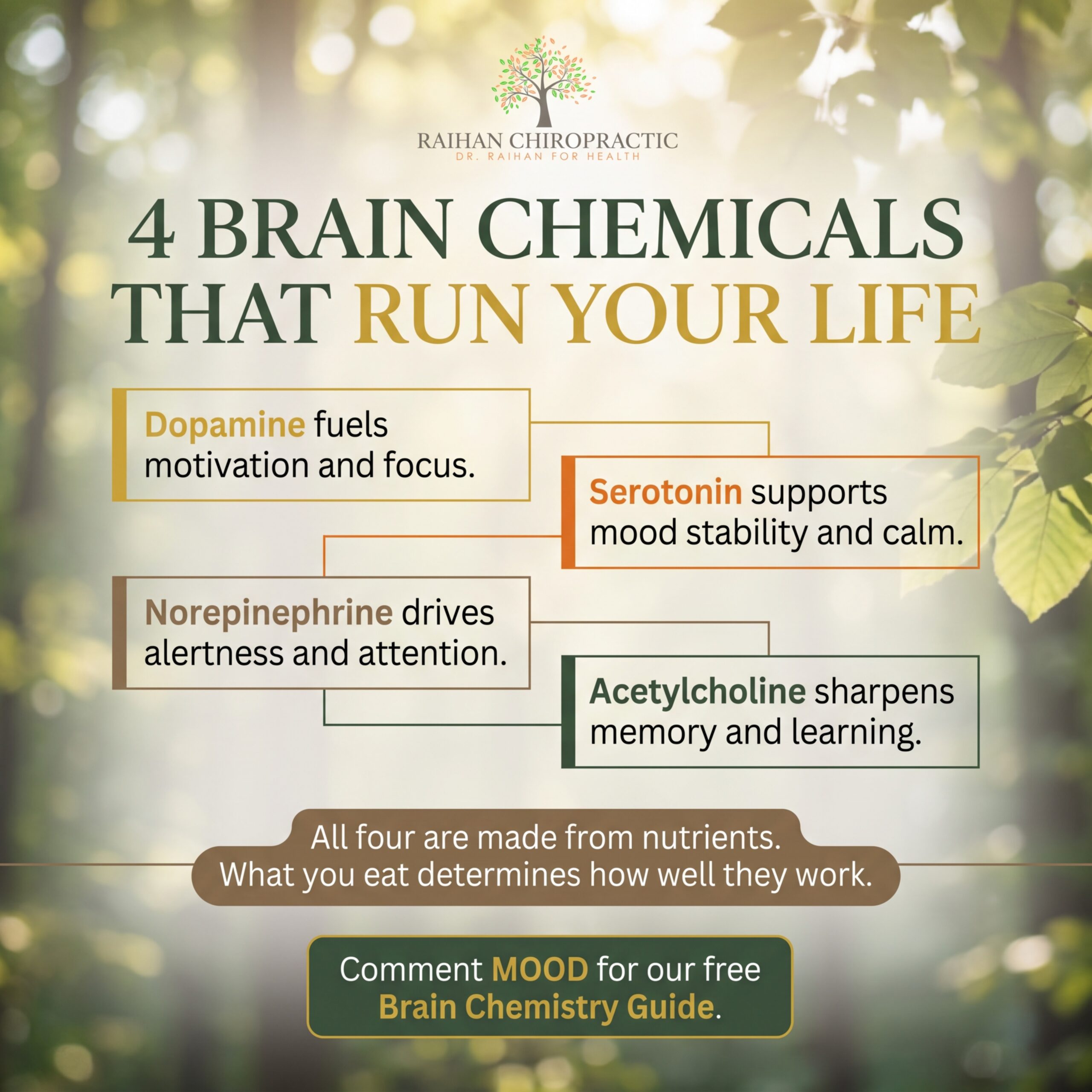
Serotonin and the Gut
Much of the body’s serotonin is produced in the digestive tract, where it helps regulate gut movement and other local functions.
However, serotonin made in the gut is not a direct measurement of serotonin in the brain. It should not be used to claim that a digestive supplement, stool test, or diet change will treat depression, anxiety, or other mental-health conditions.
Mental Health Support: If you have persistent low mood, anxiety, loss of interest, sleep changes, or thoughts of self-harm, seek care from a qualified mental-health or medical professional. In the United States, call or text 988 for immediate crisis support.
Digestive Symptoms: When to Seek Care
Common symptoms such as bloating, gas, constipation, diarrhea, abdominal pain, and reflux can have many potential causes. These include:
- Dietary changes or food intolerances
- Medication effects or infections
- Irritable bowel syndrome (IBS)
- Celiac disease or Inflammatory bowel disease (IBD)
- Pelvic-floor issues or thyroid conditions
Small Intestinal Bacterial Overgrowth (SIBO)
SIBO can cause symptoms such as bloating, abdominal discomfort, gas, diarrhea, and sometimes nutrient deficiencies. However, because these symptoms are nonspecific, SIBO should not be diagnosed from a symptom checklist alone.
Speak with an appropriately qualified clinician if symptoms are persistent, severe, new, or affecting your daily life.
About “Leaky Gut”
- Scientific Reality: “Leaky gut” is commonly used online to describe changes in intestinal permeability. Intestinal permeability is a real area of scientific research and can be relevant in certain diseases.
- Clinical Reality: “Leaky gut syndrome” is not a validated, stand-alone medical diagnosis. Symptoms, routine blood tests, and commercial stool tests cannot reliably diagnose it as the cause of a person’s health concerns.
Caution: Be cautious of programs that claim they can diagnose “leaky gut” from a broad symptom list or promise to “repair your gut lining” with expensive testing and supplement packages.
Practical Ways to Support Digestive Health
- Eat a varied diet (when tolerated): Include vegetables, fruits, beans, lentils, whole grains, nuts, seeds, and protein sources that work for you. Increase fiber gradually if you are not used to it, and adjust based on symptoms and medical guidance.
- Stay physically active: Regular movement supports general health and bowel regularity for many people.
- Sleep and manage stress: Stress and poor sleep directly affect digestive health. Helpful approaches include regular sleep schedules, physical activity, breathing exercises, mindfulness, therapy, prayer, time outdoors, and social support.
- Use medications appropriately: Do not stop prescribed medications—including antibiotics, acid-reducing medications, anti-inflammatory drugs, or hormonal contraception—based on generalized online claims about gut health. Always consult your prescribing clinician or pharmacist.
- Be cautious with probiotics and supplements: Probiotics are strain-specific and do not work the same way for every condition. The American Gastroenterological Association has found insufficient evidence to recommend probiotics for most digestive diseases. Always consult a clinician or registered dietitian before starting restrictive protocols or supplements.
When to Seek Urgent Care
Seek immediate medical attention if you experience any of the following:
- Blood in stool or black, tar-like stools
- Severe or worsening abdominal pain
- Persistent vomiting or inability to keep fluids down
- Fainting, confusion, or signs of dehydration
- Unintentional weight loss
- Fever accompanied by significant abdominal symptoms
- New symptoms occurring after age 50, or a strong family history of colon cancer, IBD, or celiac disease
A Thoughtful Next Step
Your symptoms are real, but they may not have one simple “root cause.” A careful history, appropriate medical evaluation, evidence-based testing, and coordinated care can help identify the right path forward.
At Raihan Chiropractic | Dr. Raihan For Health, we can discuss lifestyle factors that support overall wellbeing and help you identify appropriate next steps—including referrals to primary-care clinicians, gastroenterologists, registered dietitians, or mental-health professionals when needed.
- Instagram: Send us a DM
- Website: drraihan.com
- Phone: (949) 582-9090
References
- American Gastroenterological Association: Gut Microbiome. Current evidence does not support probiotic use for most digestive conditions.
- American Gastroenterological Association: AGA does not recommend probiotics for most digestive conditions.
- Lacy, B. E., et al. (2024): Leaky Gut Syndrome: Myths and Management. There is no validated test or symptom pattern that diagnoses “leaky gut syndrome.”
- Dukowicz, A. C., et al.: Small Intestinal Bacterial Overgrowth: A Comprehensive Review. SIBO symptoms are nonspecific and require clinical assessment.
- Effects of prebiotics and probiotics on symptoms of depression and anxiety: systematic review and meta-analysis. Effects are promising but vary, and certainty is limited.


Leave a Reply