
The Cortisol and Chronic Stress Guide
You can’t think your way out of chronic stress — but you can build your way out.
By Raihan Chiropractic | Dr. Raihan For Health
This guide is for educational purposes only. It does not constitute medical advice, diagnosis, or treatment. Talk to your physician before changing your diet, supplements, or health routine. Individual results vary.
Does Any of This Sound Like You?
Energy & sleep
- Exhausted in the morning, wired at night
- Waking between 2–4am; an afternoon crash that hits like a wall
- Running on caffeine multiple times a day
Mood & mind
- Low-level worry that never fully turns off
- Short temper, brain fog, emotional flatness
Body
- Belly fat that won’t budge; afternoon sugar cravings
- Frequent illness, slow recovery
- Neck/shoulder tension, tension headaches
- Bloating or digestive trouble that flares with stress
Hormonal
- Low libido, irregular cycles, worsening PMS
- Low-testosterone symptoms in men
Three or more? Your cortisol system likely needs attention.
Cortisol in 60 Seconds
Cortisol is your primary stress hormone, made by the adrenal glands via the HPA axis (brain → adrenals). Short-term, it’s essential: mobilizes energy, sharpens focus, manages inflammation.
It follows a daily rhythm — highest in the morning to wake you up, lowest at night to let you sleep.
The problem: this system was built for short, acute threats — not the chronic, low-grade stress of modern life. When cortisol stays elevated, the same mechanisms that protect you short-term start damaging you long-term.
What Chronic Cortisol Does to Every System
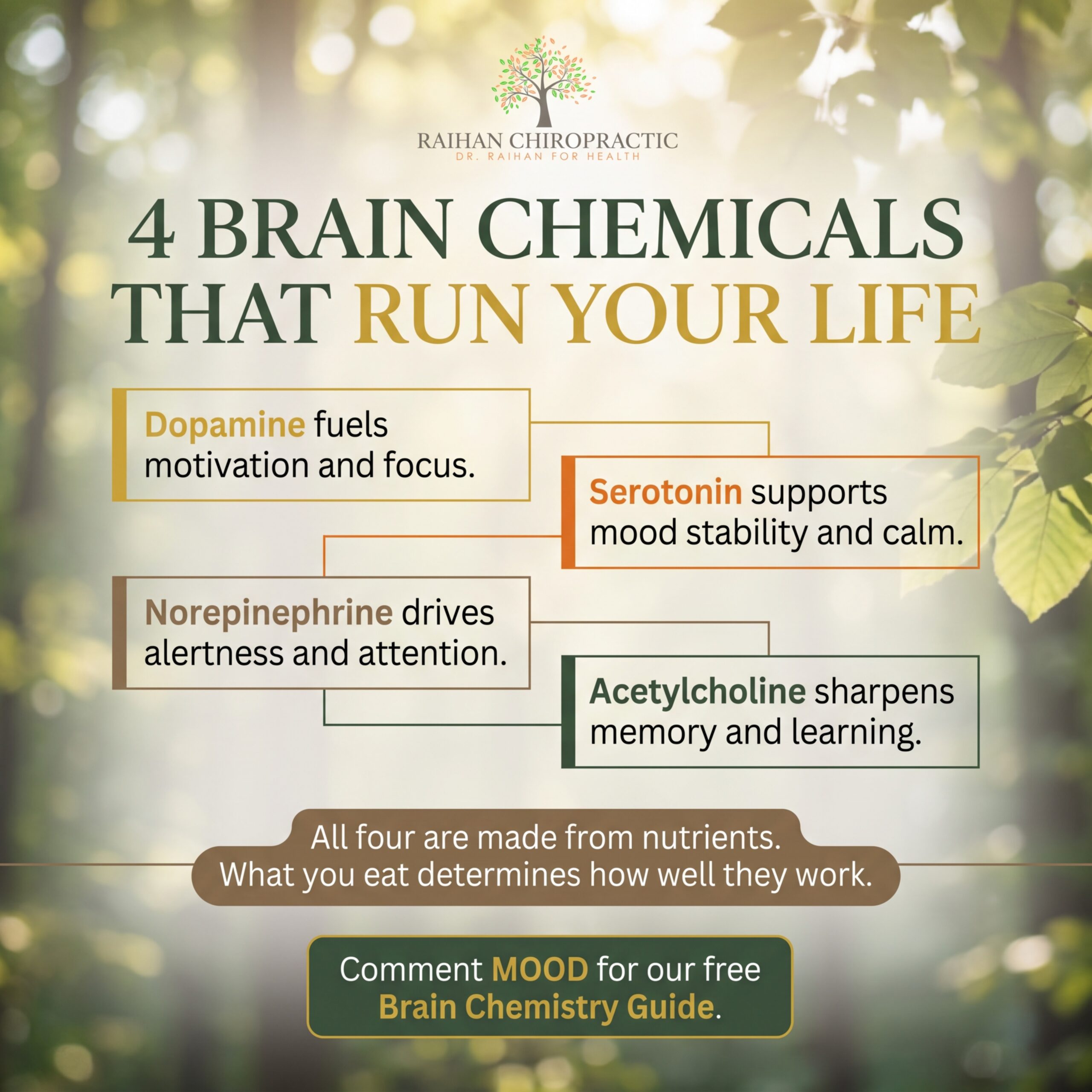
Your brain — prolonged elevation is linked to shrinkage in the hippocampus (memory center). A Framingham analysis of 2,200+ adults found higher cortisol tied to smaller brain volume and worse cognition. It also disrupts dopamine and serotonin (low motivation, anxiety, flatness) and impairs the prefrontal cortex (poor decisions, short patience).
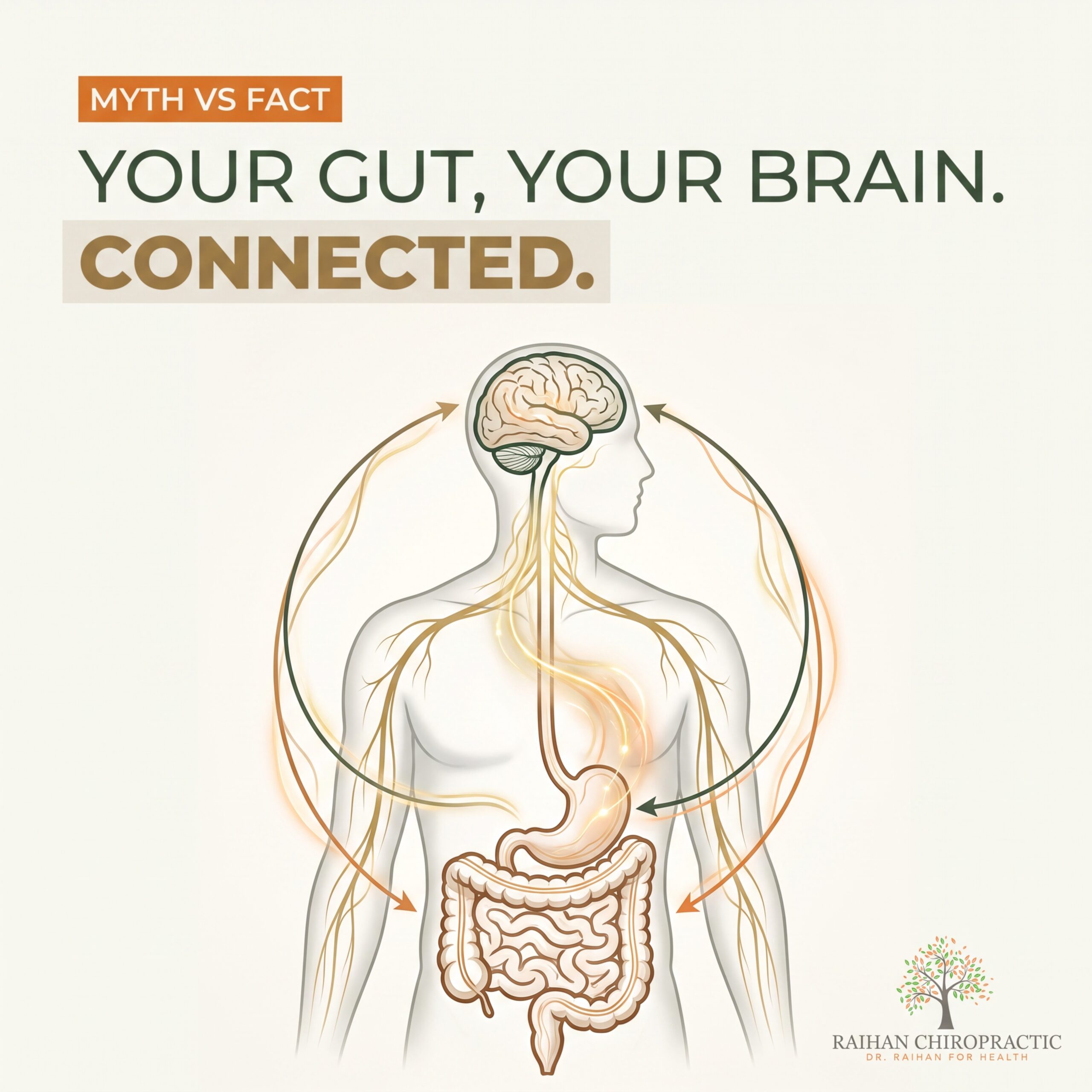
Your gut — impairs motility, reduces stomach acid, weakens the gut lining, suppresses the migrating motor complex, and shifts the microbiome. Gut dysfunction then amplifies stress signaling — a vicious cycle.
Your hormones — suppresses thyroid conversion (hypothyroid-like symptoms on “normal” labs), lowers progesterone and testosterone, drives insulin resistance, and dysregulates hunger hormones (leptin/ghrelin).
Your immune system — chronic excess suppresses immune defenses: more frequent illness, slower recovery, and worse autoimmune flares.
Your heart & metabolism — raises blood pressure, promotes arterial inflammation, and drives visceral belly fat that makes weight loss extremely difficult regardless of calories.
Your sleep — cortisol and melatonin are inversely linked. Elevated night cortisol suppresses melatonin → poor sleep → higher cortisol the next day. The classic “tired in the morning, wired at night” pattern.
What’s Keeping Your Cortisol High
- Psychological stress — your brain can’t distinguish worry from physical danger; rumination triggers the same cortisol response
- Poor sleep — even 6 hours instead of 8 measurably raises evening cortisol within days
- Blood sugar crashes — skipping meals or sugar spikes trigger cortisol to mobilize glucose. Coffee on an empty stomach counts.
- Overtraining — intense exercise without recovery chronically elevates cortisol
- Too much caffeine — directly stimulates cortisol, especially on an empty stomach or after noon
- Chronic pain & inflammation — a physiological stressor that keeps the HPA axis activated
- Gut dysfunction — immune activation from the gut drives cortisol through immune–HPA crosstalk
8 Habits That Lower Cortisol
- Morning sunlight within 30 minutes of waking — calibrates your cortisol rhythm better than anything. Even cloudy-day outdoor light beats indoor lighting.
- Strength train 3–4x/week — the most effective exercise for cortisol regulation and stress resilience. Recover adequately — overtraining reverses the benefit.
- Breathe like you mean it — 10 minutes of slow diaphragmatic breathing (in 4–6 sec, out 6–8 sec) shifts you into rest-and-digest and measurably lowers cortisol.
- Consistent sleep/wake times — including weekends. Your morning cortisol spike depends on circadian regularity.
- Time your caffeine — wait ~90 minutes after waking; none after noon. Consider a full break if your rhythm is badly disrupted.
- Protein at every meal — stabilizes blood sugar and prevents cortisol-triggering crashes. Never coffee on an empty stomach.
- Get in nature — 20 minutes in a park or green space measurably drops cortisol.
- Magnesium before bed — glycinate 30–60 min before sleep supports evening cortisol decline and sleep quality. (Most adults fall short on magnesium.)
Best Cortisol-Lowering Foods
- Dark leafy greens (spinach, kale, chard) — top magnesium sources
- Fatty fish (salmon, sardines, mackerel) — omega-3s that help blunt the stress response
- Berries — polyphenols that protect against oxidative stress
- Avocado — potassium and healthy fats for adrenal hormone synthesis
- Pumpkin seeds — magnesium + zinc for cortisol metabolism
- Dark chocolate (70%+), 1–2 squares — a human trial showed reduced urinary cortisol and stress hormones after daily dark chocolate
- Eggs — complete protein breakfast; choline, B vitamins, vitamin D
- Oats — slow carbs that prevent cortisol-triggering glucose drops
- Chamomile tea (evening) — apigenin supports GABA-driven calm
- Fermented foods (yogurt, kefir, sauerkraut) — gut diversity regulates the HPA axis via the gut-brain axis
Supplements Worth Discussing With Your Provider
- Ashwagandha — the most researched adaptogen for cortisol; RCTs show significant cortisol and perceived-stress reductions vs placebo
- Magnesium glycinate — well-tolerated; 300–400mg elemental daily is the common research range
- Rhodiola rosea — studied for burnout and stress-related fatigue
- L-theanine — promotes calm alertness; pairs well with (less) caffeine
- Phosphatidylserine — small trials suggest it blunts exercise-induced cortisol spikes
- Vitamin C — the adrenals store large amounts; stress depletes them
The Nervous System Piece
Here’s what most stress advice misses: your autonomic nervous system — the sympathetic/parasympathetic balance — directly governs HPA axis output. When you’re locked in sympathetic dominance, cortisol stays elevated regardless of lifestyle changes.
This is the clinical rationale behind our approach: chiropractic adjustments influence autonomic tone, and the vagus nerve — your main parasympathetic brake on cortisol — exits at the upper cervical spine. In our experience, patients who address both the nutritional and nervous-system sides of stress physiology see better, faster outcomes than either alone.
Is This You?
Consider a root-cause stress consultation for: unfixable fatigue, broken sleep, stubborn belly fat, persistent anxiety, brain fog, afternoon cravings, frequent illness, hormonal symptoms, or full burnout.
Ready to address the root cause?
DM us on Instagram · www.drraihan.com · (949) 582-9090
You can’t think your way out of chronic stress. But you can build your way out — one clinical habit at a time.
Raihan Chiropractic | Dr. Raihan For Health
Your health. Your root cause. Your results.
References
- Seshadri S, et al. (2018). Elevated cortisol, brain volume, cognitive performance. Neurology (Framingham).
- Chandrasekhar K, et al. (2012). Ashwagandha RCT. Indian J Psychol Med, 34(3).
- Lopresti AL, et al. (2019). Ashwagandha and stress/cortisol. Medicine, 98(37).
- Martin FPJ, et al. (2009). Dark chocolate, cortisol, and stress metabolism. J Proteome Res.
- Hunter MR, et al. (2019). Nature experience and cortisol. Frontiers in Psychology.
- Kiecolt-Glaser JK, et al. (2011). Omega-3 and stress/inflammation. Brain Behav Immun, 26(6).
- de Baaij JHF, et al. (2015). Magnesium in man. Physiological Reviews, 95(1).
- Olsson EM, et al. (2009). Rhodiola in stress-related fatigue. Planta Medica, 75(2).
- Cryan JF, et al. (2019). The microbiota-gut-brain axis. Physiological Reviews, 99(4).





Leave a Reply