
Mood, Focus
Mood, Focus & Supplements: A Quick Guide
Disclaimer: This guide is for educational and informational purposes only. It does not constitute medical advice, diagnosis, or treatment. Always consult your physician or qualified healthcare provider before making any changes to your diet, supplement routine, or health regimen. Individual results vary.
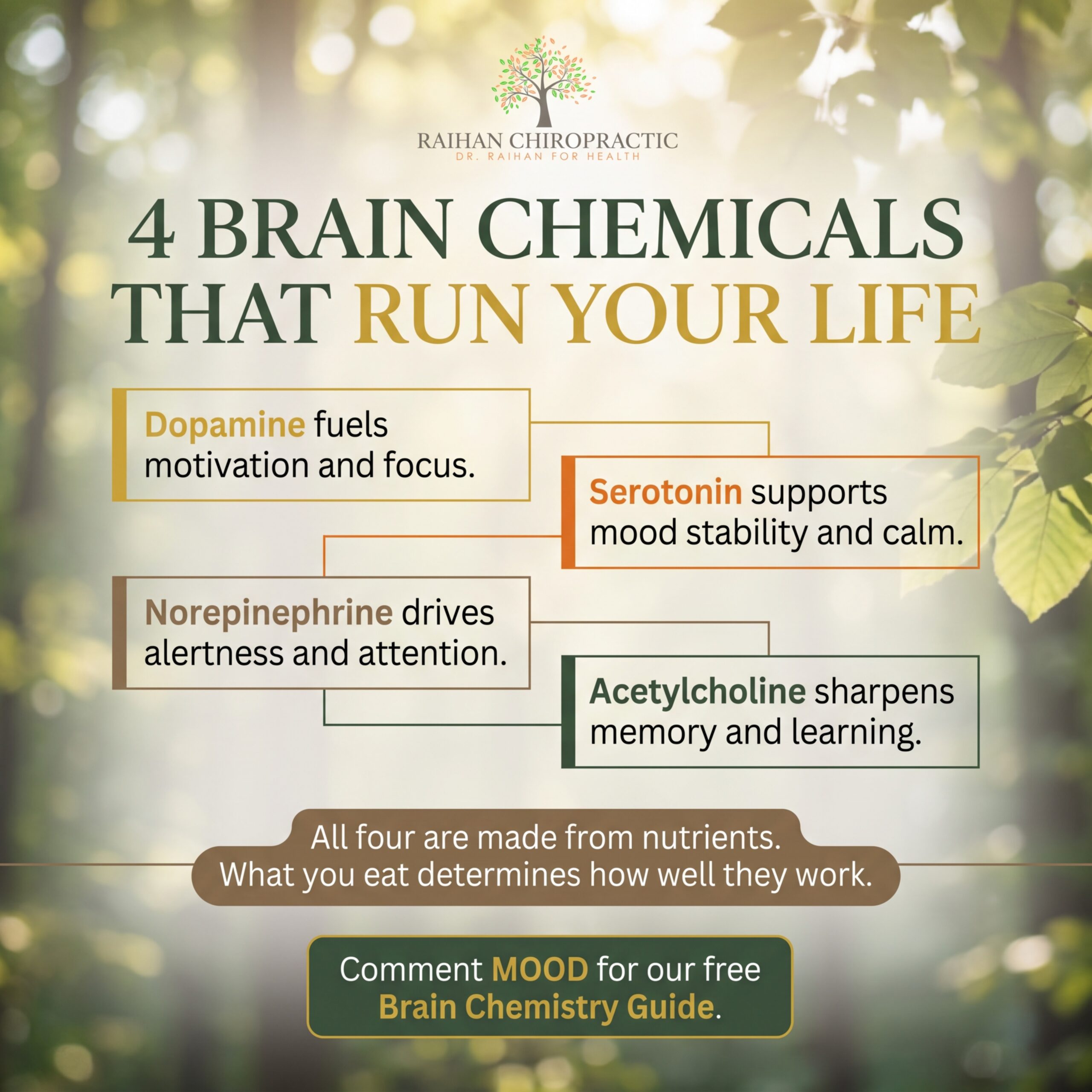
Feeling anxious, mentally scattered, unmotivated, or emotionally flat is not something to self-diagnose from a supplement aisle. Mood and focus are influenced by sleep, stress, nutrition, physical activity, medications, medical conditions, relationships, and mental health—not a single “chemical imbalance.”
That said, nutrition matters. Your brain uses amino acids, fatty acids, vitamins, and minerals to support normal nervous-system function and neurotransmitter production. The best approach is food first, foundations second, supplements only when appropriate.
Important: This article is educational only and is not medical advice, diagnosis, or treatment. Do not stop prescribed medication or replace mental-health care with supplements. If you have severe depression, suicidal thoughts, mania, hallucinations, panic that feels unmanageable, chest pain, fainting, or sudden neurological symptoms, seek urgent medical or mental-health care.
The foundations come first
Before adding anything, focus on the basics that have the broadest benefit for both physical and mental well-being:
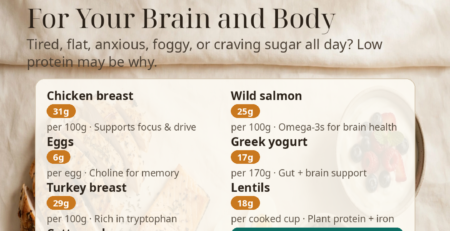
- Eat regular meals with a quality protein source: eggs, fish, poultry, Greek yogurt, beans, tofu, or lean meats.
- Include omega-3-rich foods, especially salmon, sardines, trout, or other fatty fish.
- Prioritize 7–9 hours of sleep when possible.
- Move your body consistently. Walking, strength training, cycling, swimming, and other activities can all count.
- Reduce alcohol and avoid recreational drugs, which can worsen mood and sleep for many people.
- Seek professional support for persistent anxiety, depression, trauma, or significant changes in mood.
Psychotherapy and appropriate medication are evidence-based treatments for depression, and lifestyle practices such as regular activity, sleep, stress management, and a healthy diet can be important supportive tools.
Supplements people ask about
| Supplement | What it may support | Practical food-first approach | Key safety note |
| Magnesium | Normal nerve and muscle function; may support relaxation and sleep in some people | Pumpkin seeds, beans, leafy greens, almonds, whole grains | Supplements can cause diarrhea and can interfere with absorption of certain medications |
| Omega-3s (EPA + DHA) | Brain-cell membrane structure and overall cardiovascular health | Eat fatty fish 2–3 times per week; algae-based options are available | Discuss supplements if you use blood thinners or have surgery planned |
| Vitamin B12, folate, B6 | Normal neurological function and metabolic pathways | B12: animal or fortified foods. Folate: legumes and leafy greens. B6: poultry, fish, potatoes, chickpeas | High-dose B6 over time can cause nerve damage |
| L-tyrosine | A precursor used in catecholamine pathways; studied for mental performance under acute stress | Protein foods such as poultry, fish, dairy, soy, beans, nuts, and seeds | May not be appropriate with some thyroid conditions, blood-pressure concerns, or medications |
| Choline | Used to make acetylcholine, a neurotransmitter involved in memory and muscle signaling | Eggs, salmon, chicken, seafood, soy foods, sunflower seeds | Brain fog has many possible causes; choline is not a universal fix |
| L-tryptophan / 5-HTP | Compounds involved in serotonin pathways | Turkey, eggs, fish, dairy, oats, pumpkin seeds, walnuts, soy | Must be reviewed with a clinician if you take any serotonin-active medication |
What is worth considering?
Magnesium
Magnesium is a reasonable nutrient to discuss if your diet is low in magnesium-rich foods or you are dealing with muscle tension, poor sleep, or high stress. Magnesium glycinate is commonly chosen because many people tolerate it well.
However, “natural” does not mean risk-free. Supplemental magnesium can cause loose stools, nausea, or cramping. It can also affect how some antibiotics and thyroid medications are absorbed. The NIH lists 350 mg per day as the upper limit for magnesium from supplements and medications for adults unless a clinician recommends a different amount.
Omega-3 fish oil or algae oil
EPA and DHA are omega-3 fats found in fish and algae. They are important structural components of cell membranes, including in the brain. If you rarely eat fatty fish, an omega-3 supplement may be worth discussing with a qualified clinician.
Do not market fish oil as a cure for anxiety or depression. Research on omega-3 supplements for depression remains mixed, and the National Center for Complementary and Integrative Health says it is still uncertain whether omega-3 supplements are helpful for depressive symptoms.
If you take warfarin, another anticoagulant, an antiplatelet medication, or are preparing for surgery, talk with your prescribing clinician before starting fish oil because omega-3 supplements can affect clotting time and may interact with blood-thinning medications.
B12, folate, and B6
B vitamins are involved in normal neurologic function and energy metabolism. A targeted supplement can be helpful for people with a documented deficiency, restricted diet, absorption issue, or clinician-identified need.
The key word is targeted. Do not take high-dose B6 long term simply because it is sold in a “mood” or “energy” formula. Long-term excessive B6 intake can cause nerve damage, including numbness, tingling, and trouble with coordination.
L-tyrosine
L-tyrosine is an amino acid the body uses in pathways that produce dopamine and norepinephrine. It has been studied for mental performance under acute stress, such as sleep loss or demanding tasks.
It is not a substitute for treating ADHD, depression, burnout, poor sleep, or chronic stress. It may also be inappropriate for people with certain thyroid conditions, blood-pressure concerns, or those using specific medications. Speak with a clinician or pharmacist before using it.
Tryptophan and 5-HTP
Tryptophan is an essential amino acid found in protein foods. 5-HTP is a compound in the serotonin-production pathway. These are often sold for mood and sleep, but they need more caution than most wellness marketing suggests.
Do not combine 5-HTP or tryptophan with antidepressants or other serotonin-active medications unless your prescribing clinician specifically approves it. This may include SSRIs, SNRIs, MAOIs, tramadol, some migraine medicines, and other prescriptions. Combining serotonin-active products can raise the risk of serotonin toxicity.
The simplest starting point
Instead of buying five supplements at once, start here:
- Eat a protein-containing breakfast and regular meals.
- Add fatty fish twice weekly, or discuss an EPA/DHA supplement if that is not realistic.
- Prioritize sleep and daily movement for two to four weeks.
- Review current medications and supplements before adding anything new.
- If symptoms persist, worsen, or interfere with daily life, get a medical and mental-health evaluation.
Bottom line
Supplements can be useful tools, but they are not a replacement for a full health assessment, therapy, prescribed treatment, adequate nutrition, movement, sleep, or stress support. The goal is not a cabinet full of pills—it is a simple, safe plan that fits your biology and your life.
At Raihan Chiropractic, we help patients build practical wellness routines around nutrition, lifestyle, movement, sleep, and sustainable health habits.
To learn more:
DM us on Instagram
Visit www.drraihan.com
Call (949) 582-9090
Raihan Chiropractic | Dr. Raihan For Health
References
- National Institutes of Health, Office of Dietary Supplements. Magnesium: Fact Sheet for Health Professionals. Updated January 6, 2026. Covers dietary sources, recommended intake, supplement-related gastrointestinal side effects, medication interactions, and the adult upper limit for supplemental magnesium.
- National Institutes of Health, Office of Dietary Supplements. Omega-3 Fatty Acids: Fact Sheet for Health Professionals. Updated 2026. Reviews food sources of omega-3 fatty acids, EPA/DHA supplements, cardiovascular evidence, and potential interactions with anticoagulant medications.
- National Center for Complementary and Integrative Health. Omega-3 Supplements: What You Need To Know. National Institutes of Health. Notes that omega-3 supplements can interact with medications that affect blood clotting.
- National Center for Complementary and Integrative Health. Depression and Complementary Health Approaches. National Institutes of Health. Reviews the mixed evidence for complementary approaches, including omega-3 supplements, and emphasizes that they should not replace conventional depression treatment.
- American Psychological Association. Clinical Practice Guideline for the Treatment of Depression. The APA guideline supports evidence-based psychotherapy and, when appropriate, antidepressant medication as treatment options for depressive disorders.
- National Institutes of Health, Office of Dietary Supplements. Vitamin B6: Fact Sheet for Health Professionals and Consumers. Updated August 2026. Notes that excessive vitamin B6 supplementation over time can lead to sensory neuropathy and nerve damage.
- Maffei, M. E. (2020). 5-Hydroxytryptophan (5-HTP): Natural occurrence, analysis, biosynthesis, biotechnology, physiology and toxicology. International Journal of Molecular Sciences, 21(5), 1815. Discusses 5-HTP, serotonin pathways, and the potential for serotonin toxicity with excessive exposure.
- Izzo, A. A., Hoon-Kim, S., Radhakrishnan, R., & Williamson, E. M. (2016). A critical approach to evaluating clinical efficacy, adverse events and drug interactions of herbal remedies. Phytotherapy Research, 30(5), 691–700. General reference for why medication and supplement interactions should be checked with a qualified clinician or pharmacist.
- Boyle, N. B., Lawton, C., & Dye, L. (2017). The effects of magnesium supplementation on subjective anxiety and stress: A systematic review. Nutrients, 9(5), 429.
- Firth, J., Siddiqi, N., Koyanagi, A., et al. (2020). The effects of dietary improvement on symptoms of depression and anxiety: A meta-analysis of randomized controlled trials. Psychological Medicine, 50(12), 1876–1888.
- O’Mahony, S. M., Clarke, G., Borre, Y. E., Dinan, T. G., & Cryan, J. F. (2015). Serotonin, tryptophan metabolism and the brain-gut-microbiome axis. Behavioural Brain Research, 277, 32–48.
- Kikuchi, A. M., Tanabe, A., & Iwahori, Y. (2021). A systematic review of the effect of L-tryptophan supplementation on mood and emotional functioning. Journal of Dietary Supplements, 18(3), 316–333.

Leave a Reply