
The Dopamine and Brain Chemistry Guide
The Dopamine and Brain Chemistry Guide
By Raihan Chiropractic | Dr. Raihan For Health
Disclaimer: This guide is for educational and informational purposes only. It is not medical advice and does not replace a consultation with your doctor or healthcare provider. Always speak with a qualified healthcare professional before making changes to your diet, lifestyle, or supplement routine. Individual results vary.
What Is Dopamine?
You may have heard dopamine called the “feel-good chemical.” That description is incomplete.
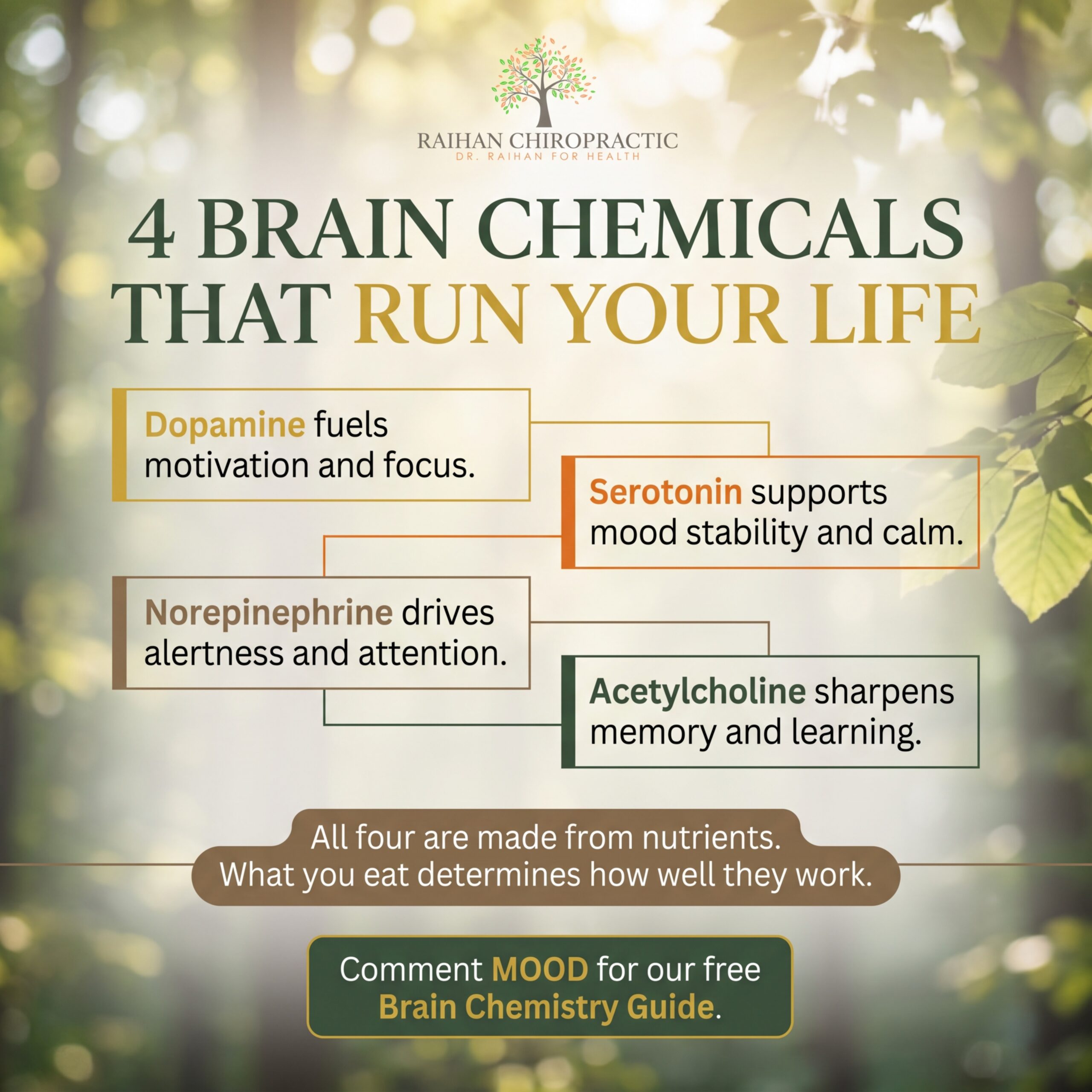
Dopamine is a chemical messenger in the brain that plays a role in motivation, reward learning, movement, attention, memory, and decision-making. It helps the brain learn what feels worthwhile and helps you decide whether a goal is worth the effort.
Dopamine is important, but it is not the only explanation for motivation, focus, mood, or energy. How you feel can also be affected by sleep, stress, physical health, medications, mental-health conditions, relationships, work demands, grief, and life circumstances.
Feeling unmotivated does not mean you are lazy or broken. It may be a sign that you need rest, support, a change in habits, or a proper health evaluation.
Food and Brain Function
Your brain needs enough overall energy, protein, healthy fats, vitamins, and minerals to function normally.
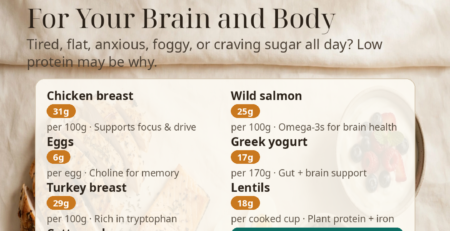
Protein-containing foods provide amino acids, including tyrosine, that are involved in dopamine production. Good options include eggs, fish, poultry, Greek yogurt, tofu, beans, lentils, nuts, and seeds.
Nutrients such as vitamin B6, vitamin B12, folate, iron, and magnesium are important for normal body and nervous-system function. A deficiency can contribute to symptoms in some people, but symptoms alone cannot confirm a deficiency.
Instead of assuming you need a supplement, consider a balanced eating pattern and discuss persistent fatigue, brain fog, or low energy with a qualified clinician. They can determine whether dietary changes, testing, medication review, or other support is appropriate.
Habits That Can Support Focus and Motivation
Eat regularly and include protein
Skipping meals or relying heavily on highly processed snacks can leave some people feeling hungry, tired, or unfocused. Include a source of protein and fiber at meals when possible.
Examples include eggs with fruit and whole-grain toast, Greek yogurt with berries and nuts, a bean-and-vegetable bowl, or fish or chicken with vegetables and whole grains.
Protect your sleep
Sleep affects attention, mood, memory, emotional regulation, and energy. Most adults benefit from regular, adequate sleep.
If you regularly struggle with insomnia, loud snoring, breathing pauses during sleep, or severe daytime tiredness, speak with a healthcare professional.
Move your body
Physical activity can support mood, sleep, energy, and cognitive function. You do not need an intense workout to start. A walk, strength-training session, bike ride, yoga class, or any movement you enjoy can be helpful.
Manage ongoing stress
Chronic stress can make it harder to focus, initiate tasks, sleep well, and enjoy daily life. Small recovery practices can help, including breathing exercises, time outdoors, movement, journaling, prayer, mindfulness, therapy, and social connection.
Create healthier digital boundaries
Notifications, multitasking, and highly engaging apps can interrupt attention and make it harder for some people to settle into focused activities.
Try small changes:
- Keep your phone out of reach during one focused task
- Take a walk without scrolling
- Turn off nonessential notifications
- Avoid checking social media immediately after waking
- Set aside time for reading, hobbies, cooking, exercise, or conversation
The goal is not to fear dopamine or eliminate technology. It is to create space for activities that support focus, connection, rest, and satisfaction.
The Gut–Brain Connection
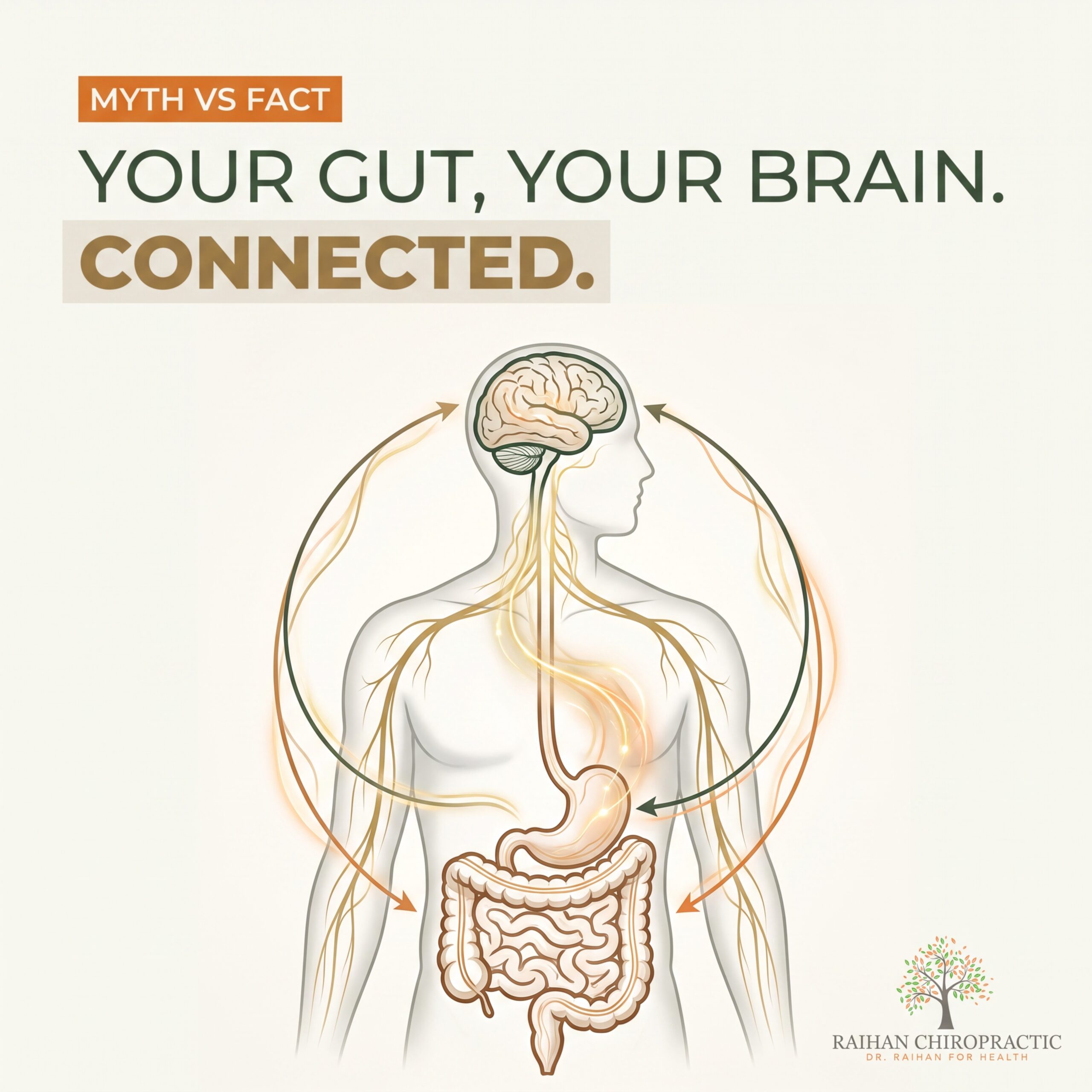
The gut and brain communicate through nerves, hormones, immune signaling, and other pathways. Scientists are actively studying how the gut microbiome may be connected with mood, cognition, and stress response.pmc.ncbi.nlm.nih+1
A varied eating pattern with vegetables, fruits, beans, whole grains, nuts, seeds, and other fiber-containing foods supports general digestive health. Fermented foods such as yogurt, kefir, kimchi, and sauerkraut may be included if you tolerate them.
However, digestive symptoms, mood concerns, or difficulty concentrating should not automatically be blamed on “gut imbalance.” These symptoms can have many causes and may need appropriate medical evaluation.
When to Seek Support
Talk with a qualified healthcare professional if you have persistent:
- Low mood, anxiety, emotional numbness, or loss of interest
- Severe fatigue despite adequate rest
- Brain fog, memory changes, or difficulty focusing
- Sleep problems that do not improve
- Major changes in appetite or weight
- Digestive symptoms, pain, or changes in bowel habits
- Difficulty functioning at work, school, home, or in relationships
- Concerns about caffeine, alcohol, substance use, or compulsive screen use
These symptoms may be related to many treatable issues, including depression, anxiety, ADHD, sleep disorders, thyroid conditions, anemia, medication effects, nutritional deficiencies, chronic illness, and life stress.
A Practical Starting Point
Choose one or two habits to work on this week:
- Add protein and fiber to breakfast
- Take a 20-minute walk most days
- Keep a consistent sleep and wake time
- Turn off nonessential notifications
- Schedule one screen-free activity you enjoy
- Reach out to a trusted person or qualified professional if you have been struggling
You are not broken. Motivation is complex, and support is available.
For lifestyle-focused support, contact Raihan Chiropractic | Dr. Raihan For Health. For persistent, severe, or worsening symptoms, seek evaluation from an appropriately qualified medical or mental-health professional.
DM us on Instagram, visit drraihan.com, or call (949) 582-9090.
References
- National Institutes of Health. Dopamine affects how the brain decides whether a goal is worth the effort. Dopamine is involved in reward-seeking, movement, and motivation.nih
- Cleveland Clinic. Dopamine: What It Is, Function & Symptoms. Dopamine plays roles in reward, memory, movement, motivation, mood, and attention.clevelandclinic
- Belujon, P., & Grace, A. A. (2017). Dopamine system dysregulation in major depressive disorders. International Journal of Neuropsychopharmacology, 20(12), 1036–1046.
- Ironside, M., et al. (2018). Brain mechanisms mediating effects of stress on reward sensitivity. Current Opinion in Behavioral Sciences, 22, 106–113.
- Liu, Y., et al. (2022). Role of microbiota-gut-brain axis in regulating dopaminergic signaling. The gut–brain relationship is biologically plausible but remains an evolving research field.pmc.ncbi.nlm.nih
- Carabotti, M., et al. (2021). The microbiota-gut-brain axis: From motility to mood.

Leave a Reply