
The Healthy Aging Clinical Guide
By Raihan Chiropractic | Dr. Raihan For Health
The Truth About Aging
Disclaimer: This guide is for educational and informational purposes only. It does not constitute medical advice, diagnosis, or treatment. Always consult your physician or qualified healthcare provider before making any changes to your diet, supplement routine, or health regimen. Individual results vary.
Aging is a natural process, but how we feel and function over time is influenced by more than the number of birthdays we have had.
Genes matter. So do medical history, sleep, physical activity, nutrition, stress, relationships, environment, preventive care, and access to appropriate treatment. There is no single food, supplement, test, detox, or “anti-aging” protocol proven to stop aging for everyone.
The encouraging news is that many daily habits can support long-term health, strength, cognitive function, mobility, energy, and quality of life.
This guide covers practical, evidence-informed ways to support healthy aging—without promising a shortcut or a cure.
Part 1: Factors That Can Affect Healthy Aging
Physical inactivity
Regular movement helps preserve muscle, bone strength, balance, cardiovascular fitness, insulin sensitivity, and independence. Both aerobic activity and strength training are valuable, and even consistent walking can be meaningful.
Poor sleep
Sleep supports memory, emotional regulation, immune function, metabolic health, and physical recovery. Ongoing trouble falling asleep, staying asleep, loud snoring, or daytime fatigue may deserve evaluation rather than being dismissed as “normal aging.”
Dietary patterns
A dietary pattern rich in vegetables, fruits, beans, whole grains, nuts, seeds, and protein sources can help provide fiber, vitamins, minerals, and healthy fats. No single food determines health outcomes; consistency over time matters most.
Chronic stress and isolation
Long-term stress can affect sleep, behavior, blood pressure, mood, and overall wellbeing. Social connection, purpose, restorative activities, counseling when appropriate, movement, and practical stress-management habits can all be part of a healthy-aging plan.
Tobacco and alcohol
Avoiding tobacco is one of the most significant actions a person can take for long-term health. Alcohol can also affect sleep, liver health, cancer risk, mood, medication safety, and blood pressure, so lower intake is generally safer for many people.
Chronic medical conditions
Blood-pressure problems, high cholesterol, diabetes, thyroid disorders, anemia, sleep apnea, depression, medication effects, and other conditions can affect energy, cognition, weight, pain, and function. Appropriate screening and treatment are important parts of aging well.
Part 2: Foods That Support Long-Term Health
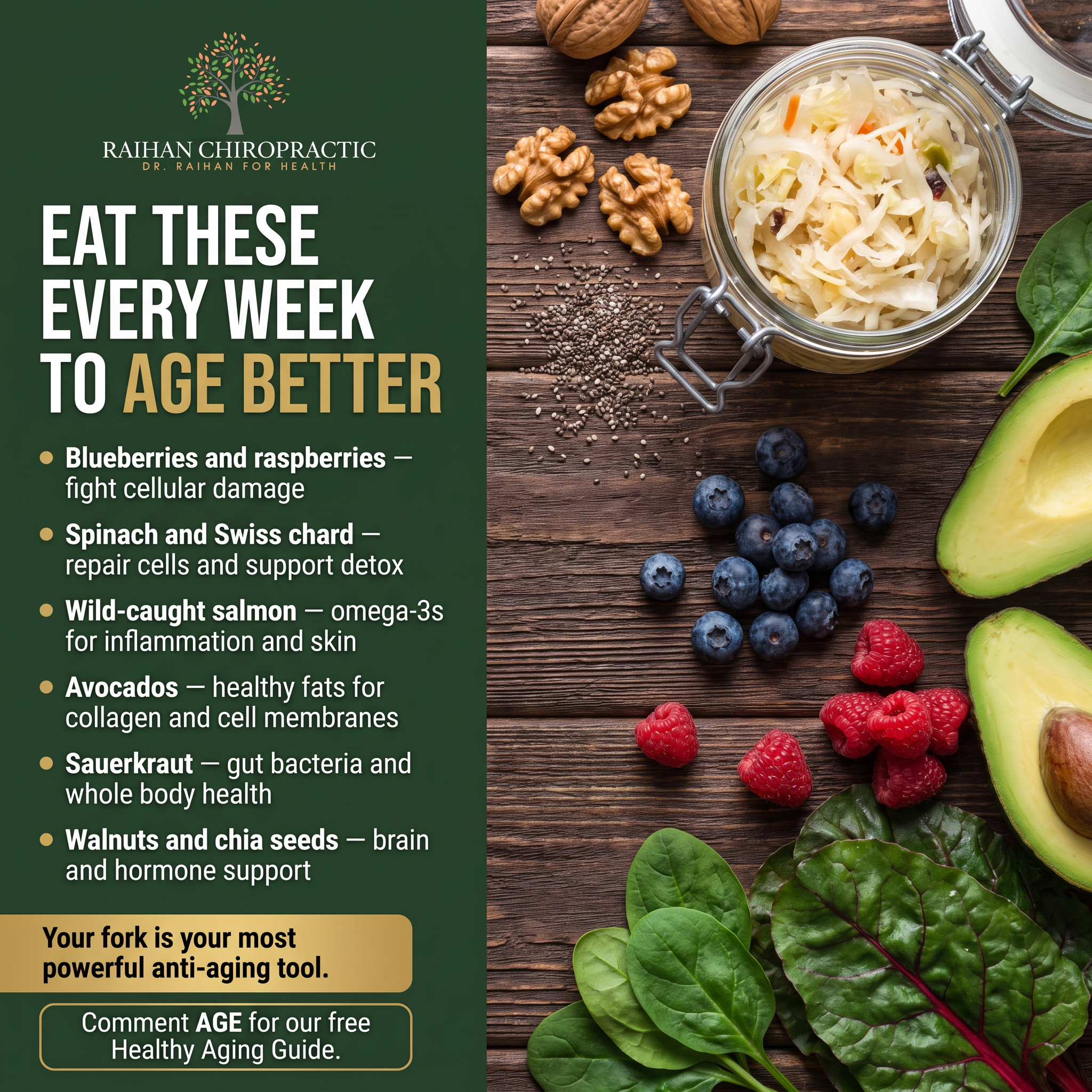
A healthy eating pattern does not require perfection. Start by building meals around a variety of minimally processed foods that you enjoy and can sustain.
Berries and other colorful fruits
Berries, citrus fruits, apples, grapes, and other fruits provide fiber, vitamins, and plant compounds. Add berries to yogurt, oatmeal, smoothies, or snacks when available.
Leafy greens and vegetables
Spinach, kale, chard, broccoli, peppers, carrots, tomatoes, and cruciferous vegetables provide fiber and micronutrients that support overall health. Aim to include vegetables regularly, not just occasionally.
Protein-rich foods
Protein helps maintain muscle mass and physical function, particularly as people get older. Options include fish, eggs, poultry, Greek yogurt, beans, lentils, tofu, tempeh, and lean meats depending on dietary preference and medical needs.
Fish, nuts, seeds, and healthy fats
Salmon, sardines, trout, walnuts, chia seeds, flaxseed, avocado, and olive oil can contribute healthy fats to a balanced diet. Fatty fish also provides EPA and DHA omega-3 fats.
Fiber-rich foods
Beans, lentils, vegetables, fruits, whole grains, nuts, and seeds support digestive health and can help with fullness, blood-sugar management, and cardiovascular health.
Fermented foods
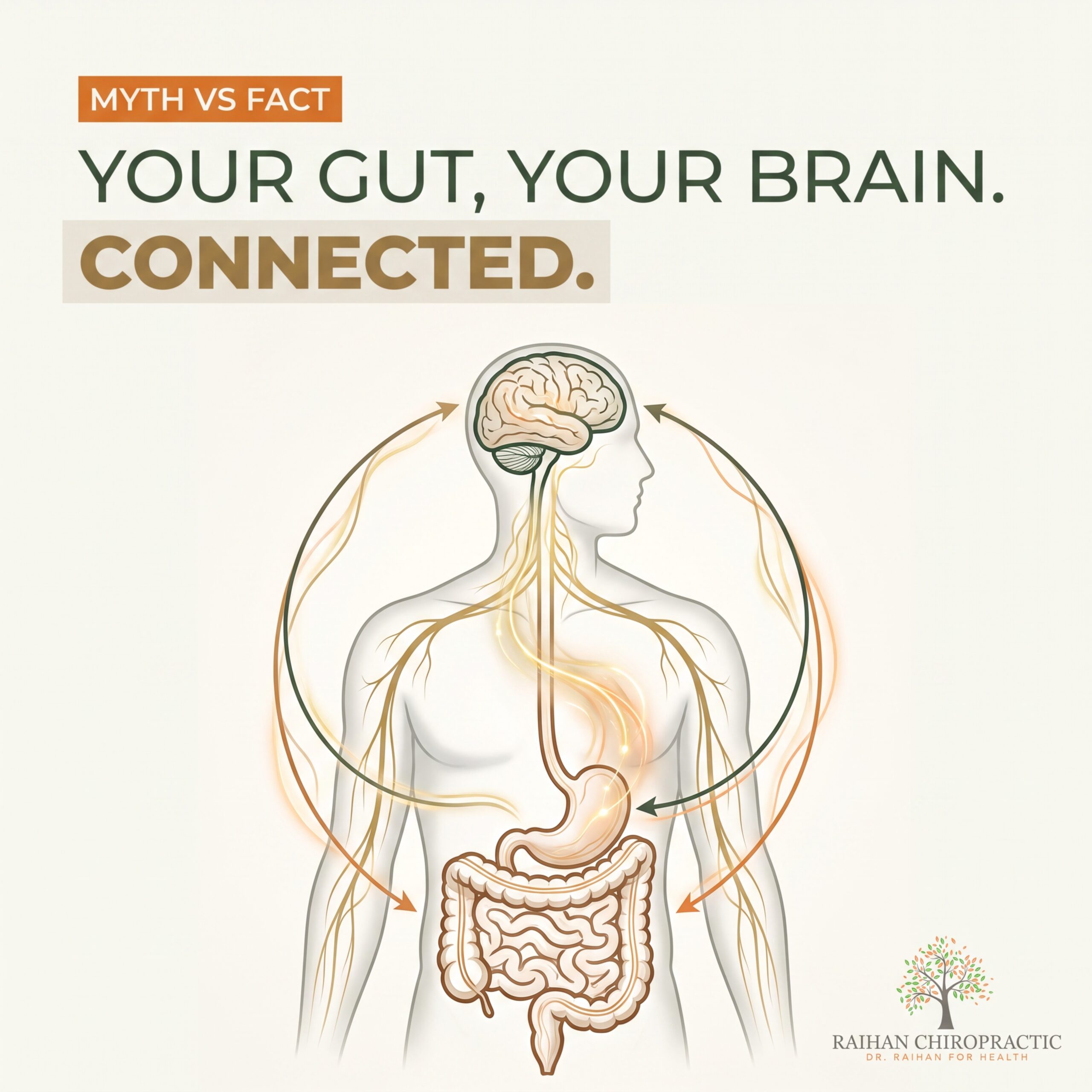
Foods such as yogurt, kefir, kimchi, and sauerkraut may be enjoyable additions to a varied diet for people who tolerate them. The gut microbiome is an active area of research, but fermented foods are not a treatment for every digestive or health concern.
Part 3: Nutrients and Supplements
Your body needs adequate protein, essential fats, vitamins, and minerals to function normally. In some cases, supplements can be useful—for example, when a person has a documented deficiency, a restricted diet, a specific medical condition, or a medication that affects nutrient status.
However, no supplement has been proven to stop aging, reverse aging, or replace the benefits of nutritious food, exercise, sleep, preventive care, and appropriate medical treatment.
Nutrients commonly discussed in healthy aging
- Vitamin D, vitamin B12, iron, folate, and calcium: These may be relevant when a deficiency or increased risk is identified through dietary review, symptoms, and appropriate testing.
- Omega-3 fatty acids: Fish and seafood are food sources of EPA and DHA. Supplements may be appropriate for some people, but should be discussed with a clinician, particularly for people using anticoagulant or antiplatelet medication.
- Protein: Adequate dietary protein can help support muscle maintenance, especially alongside resistance training.
- Magnesium: Magnesium is involved in many normal body processes. Supplement needs depend on diet, medical conditions, medications, and the form and dose used.
Supplements requiring individualized guidance
Products such as NAC, alpha-lipoic acid, resveratrol, green tea extract or EGCG, CoQ10, glutathione, high-dose vitamins, and herbal products may have medication interactions, side effects, or condition-specific risks.
Do not assume that “natural” means safe. A clinician or pharmacist can help evaluate:
- Whether a supplement is necessary
- The appropriate dose and duration
- Possible interactions with medications
- Whether testing or medical evaluation should come first
Part 4: Lifestyle Habits That Matter Most
Move your body consistently
Aim for a mix of walking or other aerobic activity, strength training, mobility work, and balance exercises based on your ability and health status.
You do not need an extreme routine. A 20- to 30-minute walk, regular chair exercises, or a beginner strength routine can be a practical starting point. If you have chest pain, severe shortness of breath, fainting, uncontrolled blood pressure, or a significant medical condition, speak with a clinician before starting or changing an exercise routine.
Prioritize quality sleep
Most adults benefit from regular, sufficient sleep. Create a consistent sleep schedule, limit caffeine later in the day if it affects you, reduce late-night screen use when possible, and speak with a healthcare professional about persistent insomnia, loud snoring, breathing pauses, or excessive daytime sleepiness.
Manage stress in realistic ways
Stress cannot always be eliminated, but it can be managed. Helpful practices may include breathing exercises, prayer, mindfulness, time outdoors, movement, journaling, therapy, meaningful social connection, and creating routines that make rest possible.
Stay hydrated according to your needs
Drink fluids regularly, pay attention to thirst, and adjust intake for exercise, hot weather, illness, diet, and medical guidance. There is no single water target that fits every person. People with heart failure, kidney disease, liver disease, or fluid restrictions should follow their clinician’s advice.
Consider fasting carefully
Intermittent fasting is being studied for metabolic health, but it is not necessary for healthy aging and should not be promoted as a proven way to activate autophagy or reverse aging in people.
Fasting may be inappropriate for people who are pregnant or breastfeeding, have diabetes or blood-sugar medications, have a history of an eating disorder, are underweight, have certain chronic diseases, or are advised to take medication with food. Discuss fasting with a qualified clinician first.
Sauna is optional—not detox
Some observational studies have found an association between frequent sauna bathing and certain health outcomes. However, these studies cannot prove that sauna use causes longer life or lower disease risk, and sauna should not be viewed as a “detox” treatment. Higher-quality research is still needed.
If you use a sauna, hydrate appropriately, avoid alcohol, leave if you feel dizzy or unwell, and check with a clinician if you have cardiovascular disease, low blood pressure, kidney disease, are pregnant, or take medications that affect hydration or blood pressure.
Reduce known harmful exposures
Focus on practical, evidence-based actions:
- Do not smoke or vape nicotine products
- Limit alcohol or avoid it
- Follow workplace-safety guidance for chemicals and dust
- Wash produce and follow food-safety practices
- Store and prepare food safely
- Use sunscreen and protect your skin from excessive ultraviolet exposure
- Keep regular medical, dental, vision, and hearing appointments
Your body’s liver, kidneys, lungs, gut, and skin already process and eliminate waste products. Commercial detoxes and cleanses have limited evidence and may be unsafe.
Part 5: When to Get Evaluated
Do not assume persistent symptoms are simply part of getting older. A proper evaluation can help identify treatable contributors.
Consider speaking with a qualified healthcare professional if you experience:
- Fatigue that does not improve with rest
- Unexplained weight loss or weight gain
- Worsening memory concerns or confusion
- Persistent brain fog or declining concentration
- Chest pain, shortness of breath, fainting, or reduced exercise tolerance
- Ongoing digestive symptoms
- Joint pain, stiffness, swelling, or chronic pain
- Changes in mood, loss of interest, anxiety, or sleep disturbance
- Frequent falls, weakness, or balance concerns
- New medication side effects or concerns about supplement interactions
Build Your Personalized Plan
Healthy aging does not require chasing every new wellness trend. It starts with a clear understanding of your health history, current symptoms, goals, nutrition, movement, sleep, stress, medications, and appropriate preventive care.
At Raihan Chiropractic | Dr. Raihan For Health, we take time to understand your full health picture and help you build practical, sustainable steps that fit your needs and goals.
You cannot stop time—but you can support your health, strength, function, and quality of life at every stage.
Book your consultation:
DM us directly on Instagram
Visit drraihan.com
Call our office at (949) 582-9090
Raihan Chiropractic | Dr. Raihan For Health
Your health. Your longevity. Your results.
References
- National Institute on Aging. Research on intermittent fasting shows health benefits. Human and animal research is promising, but additional long-term research is needed.nia.nih
- Min, S., et al. (2021). The Association Between Regular Physical Exercise, Sleep, and Fasting With Autophagy.pmc.ncbi.nlm.nih
- National Center for Complementary and Integrative Health. “Detoxes” and “Cleanses”: What You Need To Know. Evidence is limited, and some programs may be unsafe.nccih.nih
- Hussain, J., & Cohen, M. (2018). Clinical Effects of Regular Dry Sauna Bathing: A Systematic Review. More high-quality evidence is needed on benefits and safety.pmc.ncbi.nlm.nih
- López-Otín, C., et al. (2023). Hallmarks of aging: An expanding universe. Cell, 186(2), 243–278.

Leave a Reply